
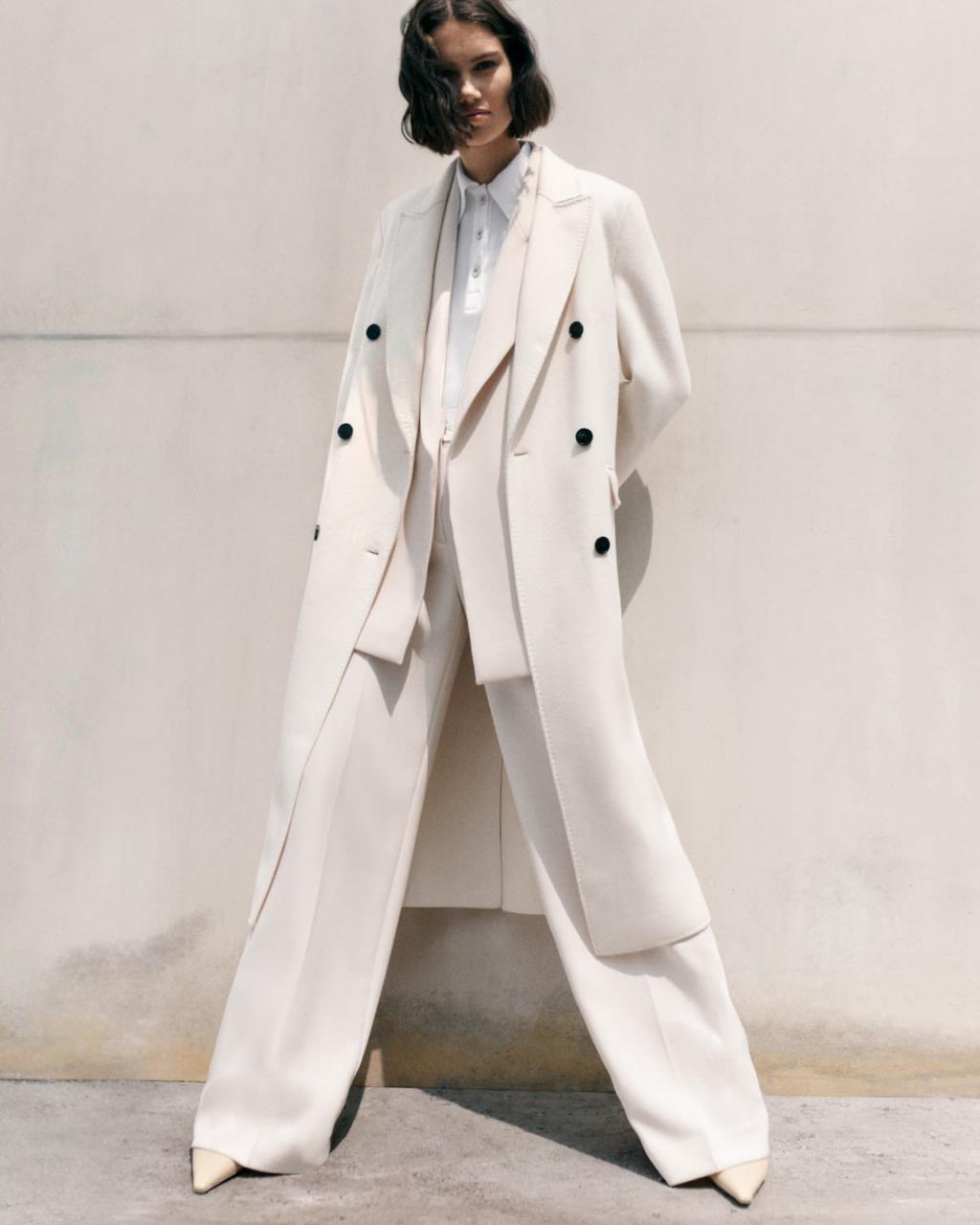
The era of oversized logos is giving way to understated sophistication as consumers redefine what true luxury means.
Luxury fashion has always evolved alongside cultural and economic shifts, but few trends have reshaped the industry as profoundly as quiet luxury. Characterized by impeccable craftsmanship, refined tailoring, premium materials, and understated branding, this movement has become one of the most influential forces driving today’s global fashion business.
Rather than relying on instantly recognizable logos or flashy designs, modern consumers are increasingly investing in timeless wardrobes that emphasize quality over visibility. Quiet luxury reflects confidence, individuality, and longevity—qualities that resonate particularly well with affluent shoppers seeking meaningful purchases instead of seasonal trends.
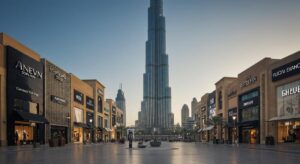
The UAE has emerged as one of the strongest markets embracing this sophisticated aesthetic. Consumers across Dubai and Abu Dhabi continue to appreciate exceptional craftsmanship while demanding versatile pieces that seamlessly transition between business, travel, and social occasions. This growing preference has encouraged luxury brands to expand their collections with refined essentials that prioritize elegance over excess.
Minimalist tailoring, premium leather goods, neutral color palettes, and expertly crafted accessories have become investment pieces for today’s discerning clientele. Fashion houses are focusing on garments designed to last for years rather than months, reinforcing the value of sustainability through durability.
This shift also reflects changing consumer psychology. Modern luxury buyers are increasingly informed about fabrics, production methods, heritage, and craftsmanship. Purchasing decisions are now influenced by authenticity, exclusivity, and quality rather than social media visibility alone.
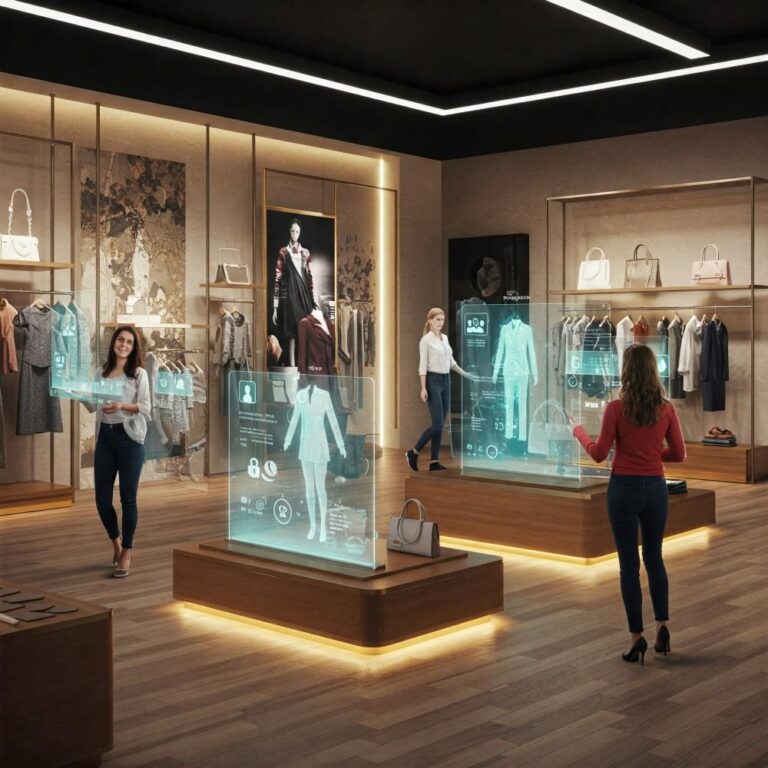
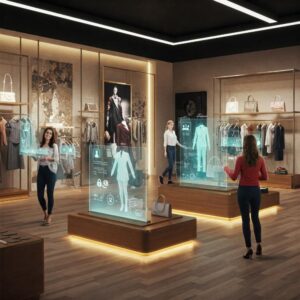
Luxury retailers have adapted by redesigning boutiques to offer more personalized experiences. Private styling consultations, curated wardrobes, and bespoke shopping appointments allow customers to explore collections at a relaxed pace while building long-term relationships with brand advisors. These experiences strengthen customer loyalty and elevate luxury beyond the product itself.

Digital commerce continues to support this transformation. Artificial intelligence now helps retailers recommend timeless wardrobe essentials based on purchasing history and personal style preferences. Rather than encouraging impulse buying, brands are focusing on curated selections that complement existing wardrobes.
Another defining characteristic of quiet luxury is versatility. Consumers increasingly expect garments suitable for multiple occasions, making cost-per-wear a significant purchasing factor. A perfectly tailored blazer, handcrafted handbag, or premium cashmere knit often delivers greater long-term value than highly seasonal statement pieces.
Social media has also matured. Influencers and fashion editors increasingly celebrate subtle elegance, impeccable tailoring, and sophisticated styling rather than overt displays of wealth. This cultural shift has strengthened demand for brands that prioritize craftsmanship over conspicuous branding.
The rise of quiet luxury has benefited emerging designers as well. Independent labels emphasizing artisanal techniques, ethical production, and small-batch manufacturing are attracting consumers looking for originality and exclusivity. These designers compete not through advertising budgets but through exceptional product quality and authentic storytelling.
Sustainability naturally complements this movement. Fewer purchases of higher-quality garments reduce unnecessary consumption while encouraging responsible fashion habits. Luxury consumers increasingly appreciate brands committed to transparency, responsible sourcing, and environmental stewardship.
Looking ahead, quiet luxury appears less like a passing trend and more like a permanent evolution of the luxury business. Fashion’s future belongs to brands capable of balancing timeless design, craftsmanship, innovation, and sustainability. As global consumers become more selective, understated elegance will continue to define modern luxury, proving that true sophistication rarely needs to announce itself.