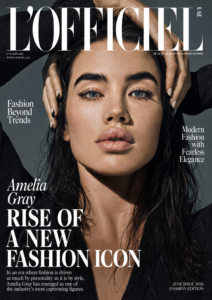


Luxury fashion is entering a new era where environmental responsibility, ethical craftsmanship, and long-term value are driving business success.
Luxury fashion has long been associated with exclusivity, exceptional craftsmanship, and timeless design. Today, another defining characteristic is reshaping the industry: sustainability. What was once considered a niche movement has become a central business strategy, influencing everything from product design and sourcing to retail experiences and consumer expectations.
Around the world, fashion houses are rethinking how collections are created, manufactured, and marketed. Rather than producing high volumes of seasonal products, many luxury brands are embracing slower production cycles, premium-quality materials, and transparent supply chains. This shift reflects a growing understanding that the future of luxury depends not only on beautiful design but also on responsible business practices.
The UAE has emerged as an important market in this transformation. As consumers become more environmentally conscious, demand for ethically produced luxury fashion continues to grow. Shoppers are asking thoughtful questions about where garments are made, how materials are sourced, and whether brands are committed to reducing their environmental footprint.
This changing consumer mindset has encouraged international luxury labels to invest in more sustainable operations. Organic cotton, recycled cashmere, responsibly sourced wool, innovative plant-based fabrics, and regenerated textiles are increasingly becoming part of premium collections. Luxury is no longer defined solely by rarity—it is also measured by responsibility and authenticity.
One of the industry’s biggest priorities is reducing waste. Traditionally, fashion has faced criticism for overproduction, excess inventory, and unsold merchandise. Today, advanced forecasting technologies, artificial intelligence, and data-driven inventory management allow brands to produce more accurately, minimizing unnecessary waste while improving profitability.
Circular fashion is another powerful trend shaping the luxury business. Rather than encouraging constant consumption, leading fashion houses are introducing repair services, resale platforms, refurbishment programs, and recycling initiatives. These efforts extend the lifespan of luxury products while reinforcing their long-term value.
Consumers increasingly appreciate investment pieces designed to last for decades instead of a single season. A beautifully tailored coat, handcrafted leather handbag, or expertly constructed evening gown represents both financial and environmental value. Quality has become the ultimate expression of sustainable luxury.
Transparency has also become essential. Customers expect brands to openly communicate their sourcing practices, manufacturing processes, and sustainability goals. Companies that provide clear information about their environmental commitments are building stronger relationships with consumers who value honesty and accountability.
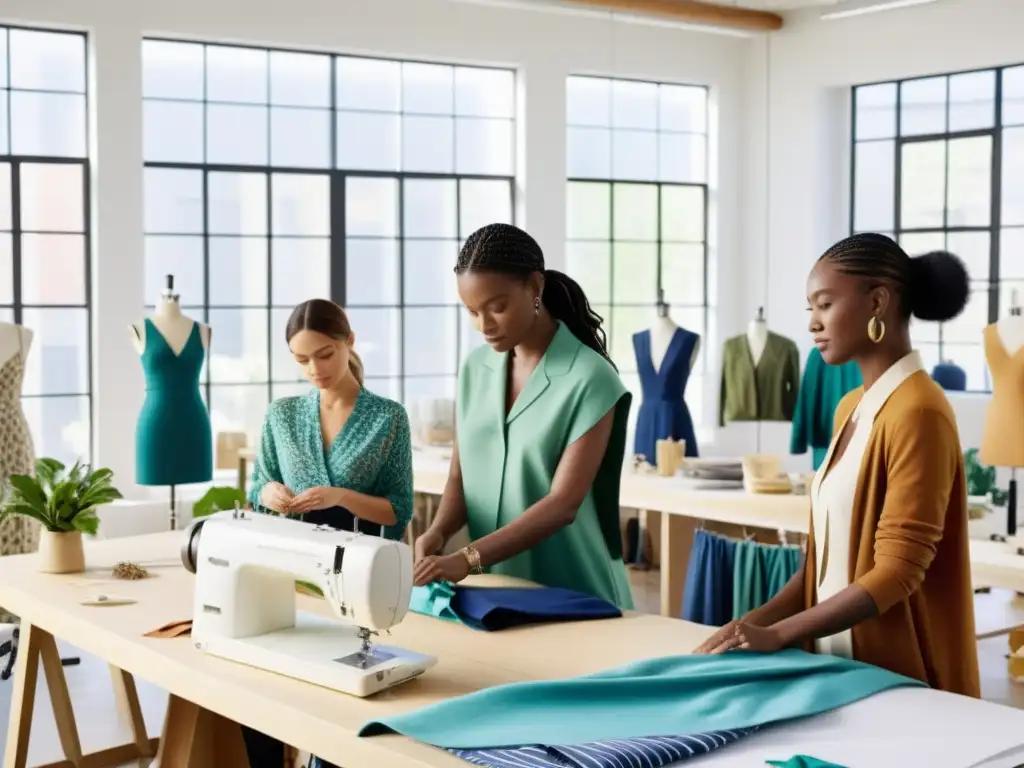
The UAE’s luxury retail landscape has responded quickly to these changing expectations. Premium boutiques are introducing environmentally conscious collections alongside established product lines, while regional designers are integrating sustainability into every stage of production. Many independent fashion labels now collaborate with local artisans, supporting traditional craftsmanship while reducing unnecessary transportation and waste.
Innovation continues to drive progress. Fashion researchers are developing biodegradable fabrics, low-impact dyeing techniques, recycled synthetic fibers, and next-generation textiles created from agricultural waste. These breakthroughs demonstrate that environmental responsibility and luxury craftsmanship can successfully coexist.
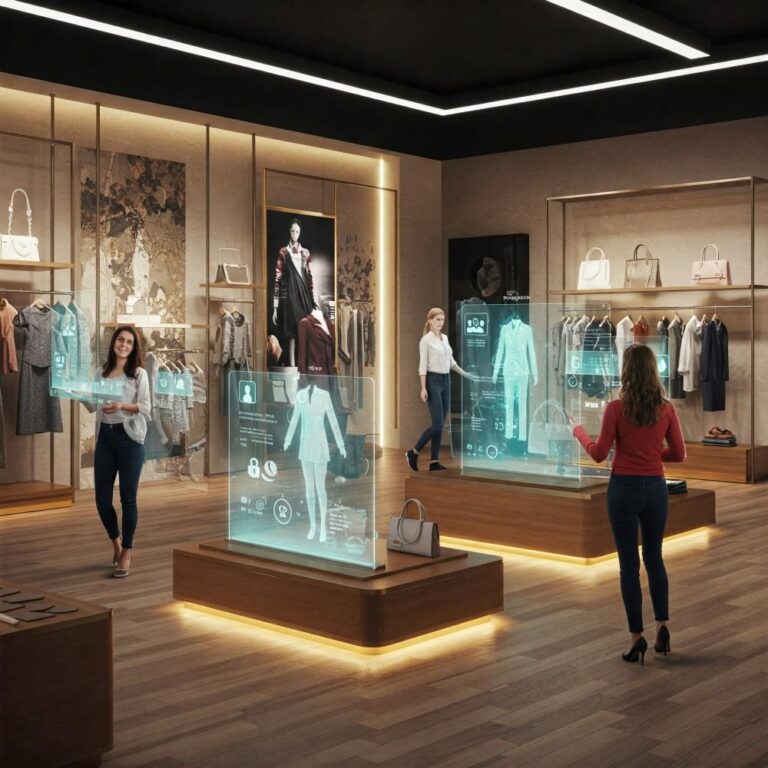
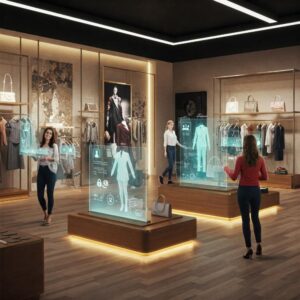
Technology is playing a significant role in improving supply-chain transparency. Blockchain systems, digital product passports, and advanced tracking technologies enable consumers to verify the origin of materials and understand the journey of each garment from production to retail. This level of transparency strengthens trust while encouraging responsible purchasing decisions.
Luxury brands are also investing in renewable energy, water conservation, and carbon reduction initiatives throughout their manufacturing operations. While these investments require significant resources, they deliver long-term business benefits by improving efficiency, strengthening brand reputation, and meeting increasingly rigorous global sustainability standards.
Fashion weeks around the world are embracing sustainability as well. Designers are showcasing collections made with recycled materials, environmentally friendly production methods, and innovative textile technologies that demonstrate creativity without compromising ecological responsibility. Sustainability has evolved from a marketing message into an essential component of modern fashion innovation.
The next generation of luxury consumers is expected to accelerate this transformation even further. Younger buyers increasingly prioritize values alongside aesthetics, choosing brands that align with their environmental and social beliefs. For them, purchasing luxury is not simply about owning beautiful products—it is about supporting companies that contribute positively to society.
For businesses, sustainability has become a competitive advantage rather than an operational challenge. Companies that invest in responsible sourcing, ethical labor practices, and circular business models are strengthening customer loyalty while positioning themselves for long-term growth in an increasingly conscious marketplace.
The UAE is well positioned to become a regional leader in sustainable luxury. Its investment in innovation, smart retail, creative entrepreneurship, and global fashion partnerships provides an ideal foundation for environmentally responsible growth. As international brands expand their sustainable initiatives across the Middle East, the Emirates will continue playing an influential role in shaping the future of luxury fashion.
Luxury has always represented excellence, craftsmanship, and exclusivity. Today, it also represents responsibility. Sustainability is no longer an optional addition to the fashion business—it has become one of its most valuable assets. Brands that combine timeless design with ethical innovation will define the next chapter of global luxury, proving that true elegance leaves a lasting impression without leaving a lasting environmental cost.