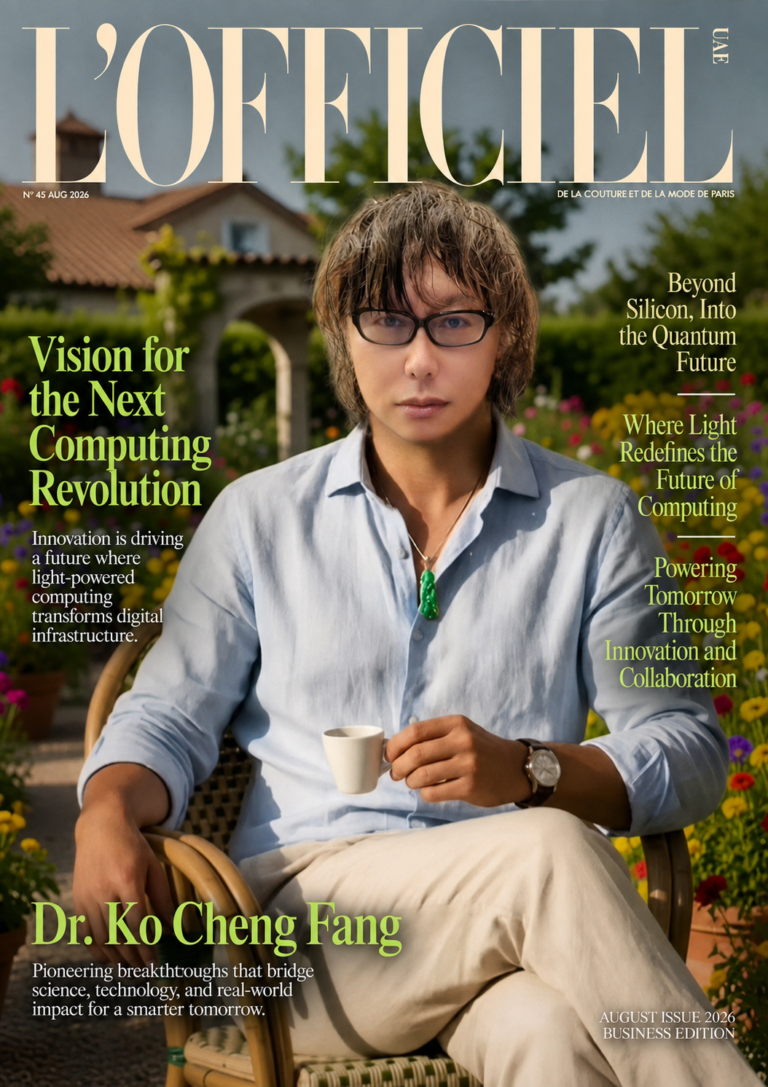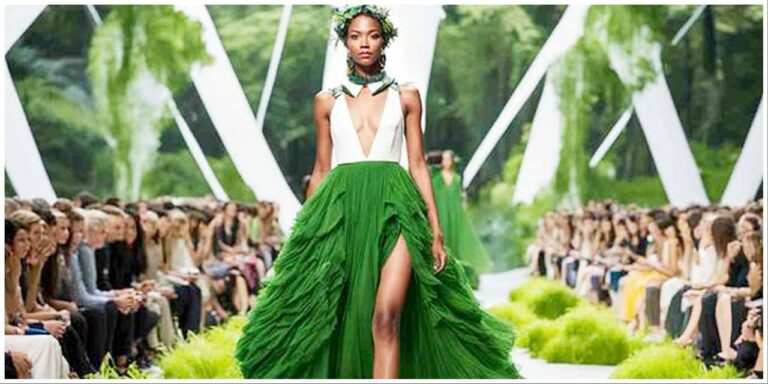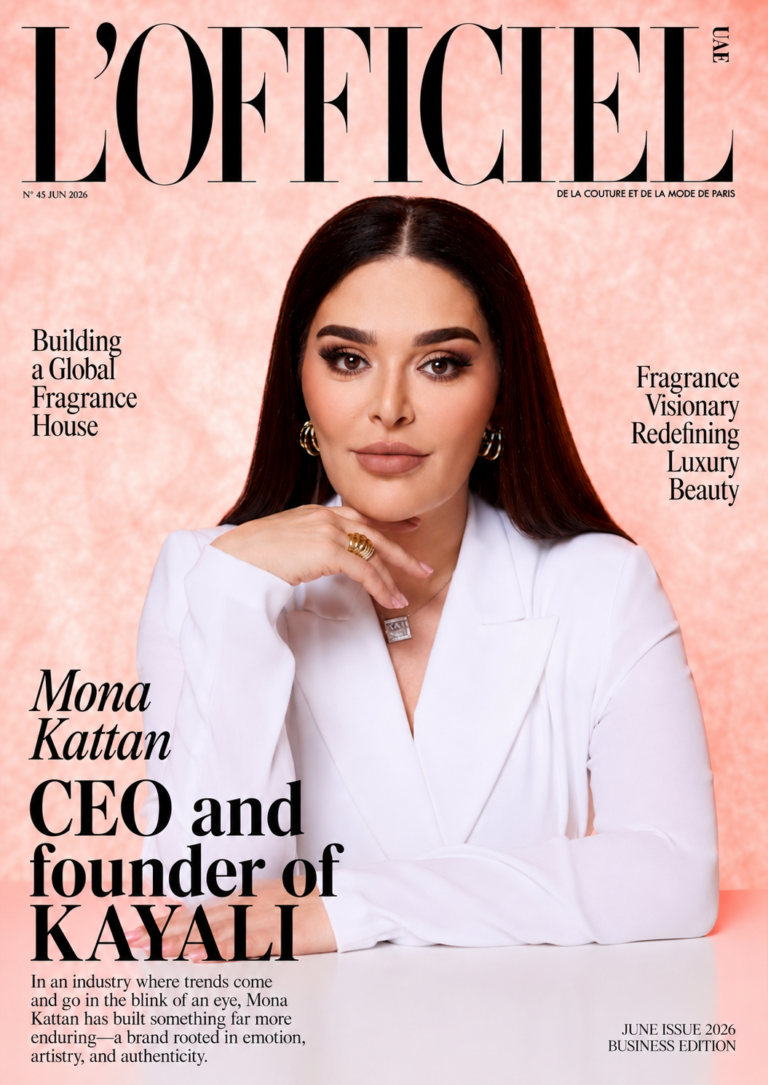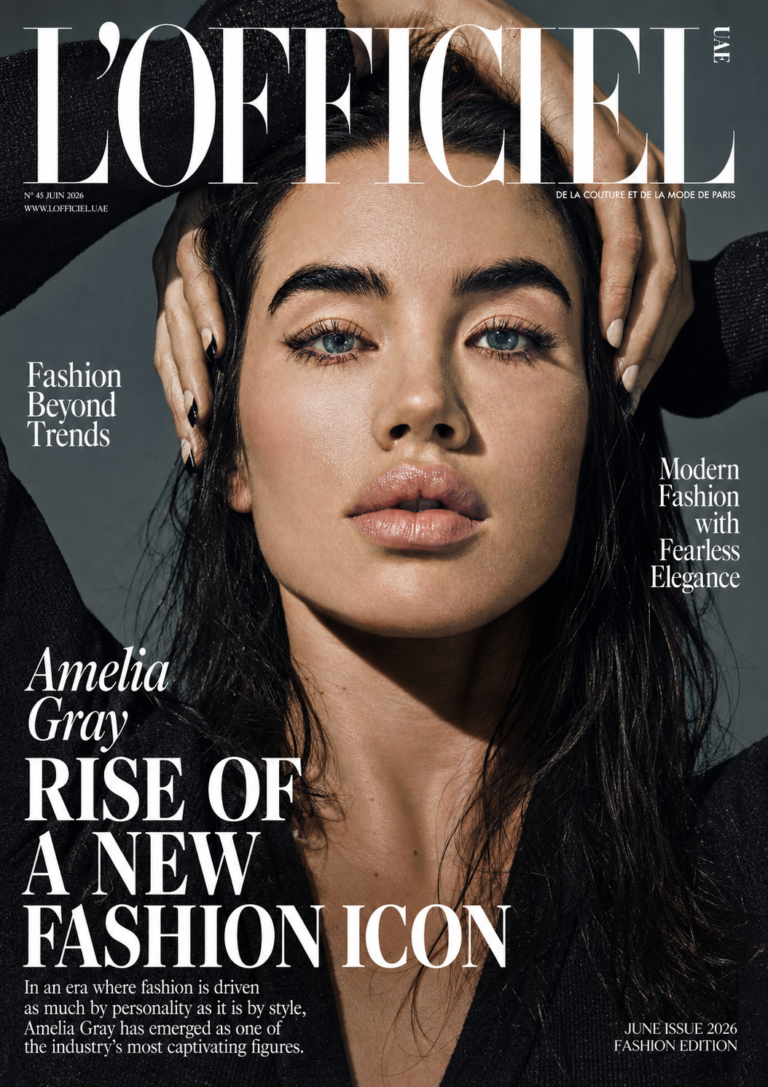

Artificial intelligence, immersive shopping, and data-driven personalization are transforming how fashion brands design, market, and sell luxury.
Technology has always influenced fashion, from industrial manufacturing to digital commerce. Today, however, artificial intelligence is ushering in one of the industry’s most significant transformations yet. Luxury fashion is entering a new era where data, creativity, and innovation work together to deliver smarter products, richer customer experiences, and more efficient business operations.
Artificial intelligence is no longer confined to back-office analytics. It now supports nearly every stage of the fashion value chain, including trend forecasting, product development, inventory planning, marketing, customer service, and personalized shopping.
Fashion houses are increasingly using AI to analyze millions of online conversations, runway images, consumer searches, and purchasing patterns. These insights help designers anticipate emerging trends months before they reach mainstream audiences, allowing brands to create collections that align with evolving consumer preferences while reducing unnecessary production.
Retail personalization has become one of AI’s greatest strengths. Modern luxury consumers expect shopping experiences tailored specifically to their lifestyles. AI-powered recommendation systems analyze browsing behavior, purchase history, and individual preferences to suggest garments and accessories with remarkable accuracy. The result is a more intuitive and enjoyable shopping journey that strengthens long-term customer loyalty.
Virtual styling assistants are also becoming increasingly sophisticated. Customers can receive wardrobe recommendations, outfit combinations, and styling advice through digital platforms, blending convenience with luxury service. Many premium retailers now combine these technologies with in-store appointments, creating seamless omnichannel experiences.
Inventory management represents another area where artificial intelligence delivers substantial value. Predictive analytics enables brands to estimate demand more accurately, optimize production schedules, and reduce excess inventory. This not only improves profitability but also supports sustainability by minimizing overproduction and waste.
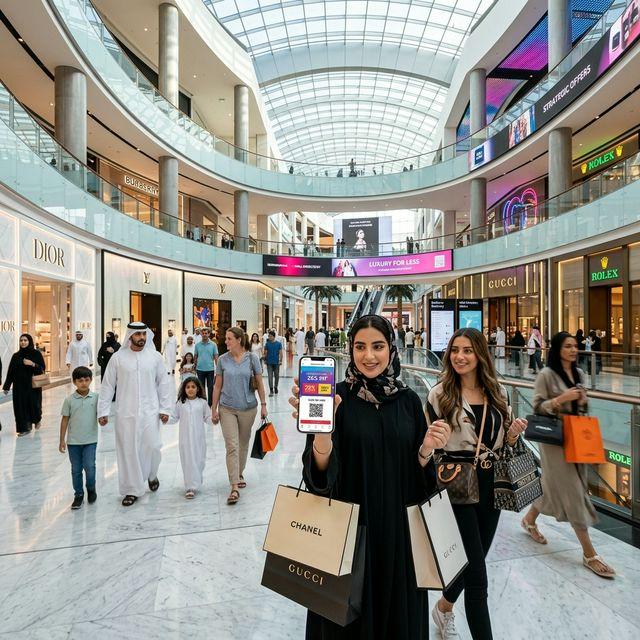
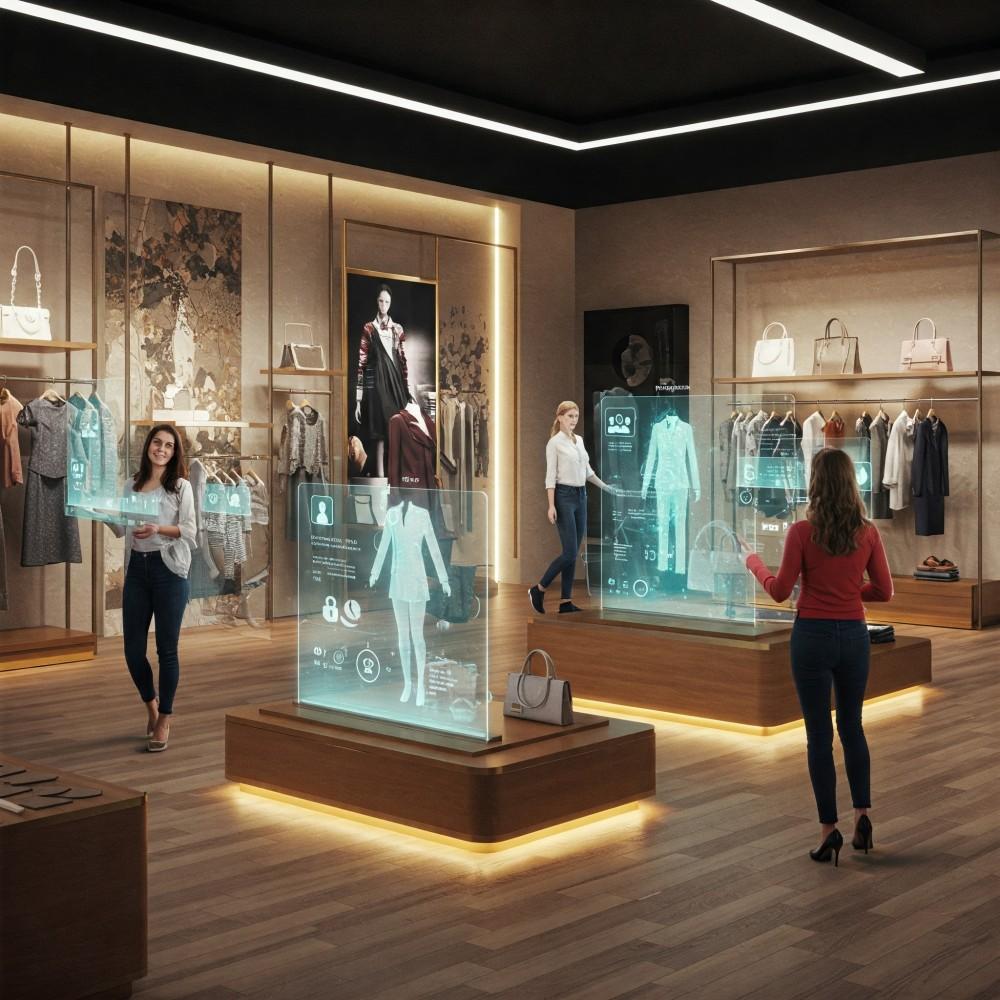
The UAE has positioned itself at the forefront of this digital transformation. Luxury retailers throughout Dubai are investing heavily in smart retail concepts that combine physical shopping with advanced digital experiences. Interactive displays, mobile integration, digital payment systems, and personalized customer profiles enable brands to offer highly efficient and engaging retail environments.
Augmented reality and virtual fitting technologies continue to gain popularity as well. Customers can visualize garments, accessories, and footwear before purchasing, improving confidence while reducing product returns. These innovations are especially valuable for international shoppers who increasingly rely on digital platforms.
Artificial intelligence is also reshaping marketing strategies. Brands can now create highly targeted campaigns based on customer interests, regional preferences, and purchasing behavior. Personalized communication increases engagement while strengthening relationships between luxury labels and their audiences.
Creative teams are embracing AI as a collaborative tool rather than a replacement for human talent. Designers use generative technologies to explore color palettes, silhouettes, textile concepts, and pattern variations more efficiently, allowing greater time for refinement and artistic expression. Human creativity remains central, while technology accelerates experimentation and innovation.
Sustainability has become another major beneficiary of artificial intelligence. Advanced forecasting reduces overproduction, while supply-chain analytics improve sourcing efficiency and transparency. AI helps brands monitor environmental impact, optimize logistics, and identify opportunities for responsible manufacturing, supporting growing consumer demand for ethical luxury.
Despite rapid technological advancement, successful luxury brands understand that innovation must never compromise craftsmanship or emotional connection. Customers continue to value heritage, storytelling, artisanal excellence, and exceptional service. Technology works best when it enhances these qualities rather than replacing them.
Looking ahead, artificial intelligence will become increasingly integrated into every aspect of the fashion business. From personalized design recommendations and digital fashion experiences to predictive retail analytics and sustainable manufacturing, AI will continue shaping the industry’s future.
Luxury fashion has always balanced artistry with innovation. Today, artificial intelligence represents the next chapter in that evolution. For brands willing to embrace digital transformation while preserving creativity and craftsmanship, the opportunities are immense. As the UAE continues investing in innovation and luxury retail excellence, it is well positioned to become one of the world’s leading destinations for technology-driven fashion business.